
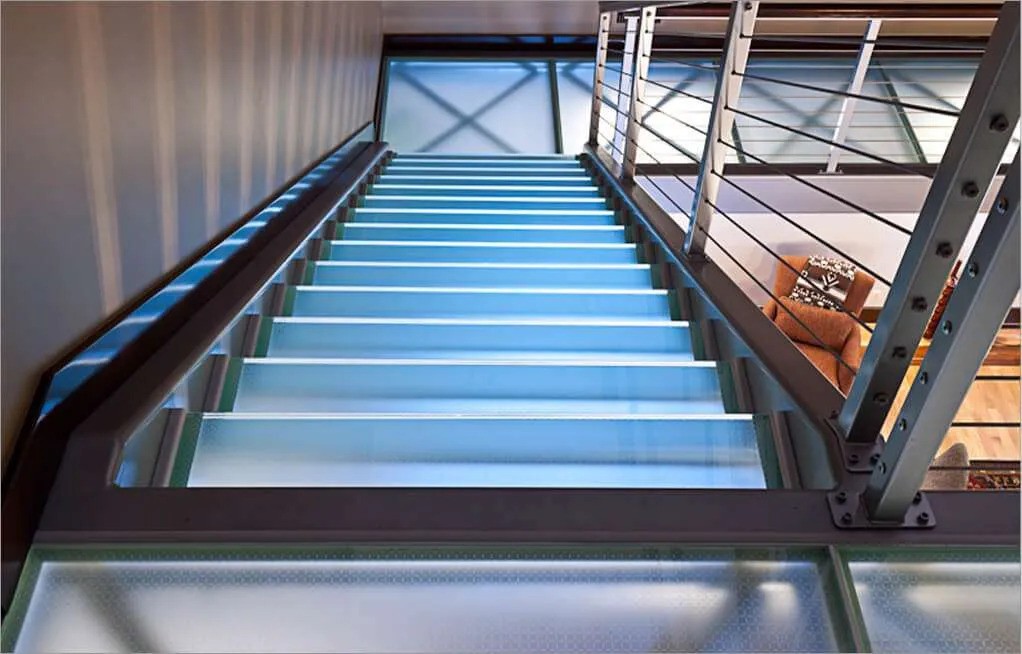
When considering what thickness glass for stairs is appropriate, it’s essential to understand how different thicknesses impact safety, functionality, and aesthetics. Glass staircases enhance modern designs in homes and commercial spaces, creating an illusion of space and elegance. However, one key decision in installing a glass staircase is choosing the right thickness of glass. This guide covers common thickness options, weight considerations, safety standards, aesthetic factors, maintenance tips, and personal experiences to help you make an informed decision.
What Thickness Glass for Stairs is Common for Staircases
When selecting glass for stairs, thickness significantly impacts safety and aesthetics. Here are the most common glass thickness options:
10mm Glass
10mm glass often serves as the minimum thickness for staircases. What thickness glass for stairs work well for homes with moderate foot traffic is the 10mm glass. I recall a project where we installed a 10mm glass staircase in a contemporary home, and while it looked sleek, the homeowner was reminded of the importance of proper support and installation to prevent breakage.
12mm Glass
12mm glass is a favorite for both homes and businesses. This thickness offers added durability and can handle heavier loads compared to 10mm glass. In a recent commercial project, we opted for 12mm glass for a bustling office building, providing the extra strength necessary for high foot traffic in a stylish manner.
15mm Glass
For maximum strength and safety, 15mm glass is a solid choice. It suits commercial staircases or homes with heavy foot traffic. I once worked on a luxury retail space where we used 15mm glass, greatly enhancing the load-bearing capacity and ensuring safety, which was paramount in such a high-traffic area.
19mm Glass
19mm glass is less common but serves specific needs where extra strength is necessary. For instance, an architect I collaborated with on a high-end residential project chose 19mm glass for a stunning staircase feature that demanded significant support and visual impact.
Laminated Glass
Consider laminated glass, which consists of two or more glass layers bonded with a plastic interlayer. This option comes in various thicknesses (10mm, 12mm, etc.) and adds safety features like shatter resistance. During a renovation project, we installed laminated glass, which provided peace of mind to the homeowners, knowing the glass wouldn’t shatter easily.
Weight and Load-Bearing Capacity and What Thickness Glass for Stairs
Understanding the weight and load-bearing capacity of glass is crucial when selecting what thickness glass for stairs.
What Thickness Glass for Stairs to Consider
The weight of the glass is an important factor. Thicker glass weighs more, impacting the staircase’s structural integrity. For example, a 10mm glass panel weighs about 25 kg per square meter, while a 12mm panel weighs around 30 kg per square meter. As the thickness increases, so does the weight, requiring appropriate support structures.
Load-Bearing Capacity
The load-bearing capacity of glass increases with thickness. A 10mm glass staircase typically supports a load of about 1.5 kN/m², while 12mm glass can support around 2 kN/m². For safety, especially in commercial spaces, choose thicker glass. In my experience, consulting with structural engineers is critical to ensure that the chosen thickness meets the required load-bearing specifications.
Consulting Structural Engineers
Always talk to a structural engineer when deciding on glass thickness for your staircase. Experts recommend understanding your project’s specific load requirements and ensuring your design meets safety and building regulations.
Safety Standards: Ensuring Your Glass Meets Regulations
Safety is critical when working with glass staircases. Various safety standards and regulations apply based on your location.
Building Codes
Different areas have specific building codes that set minimum requirements for glass thickness, strength, and installation methods. In many regions, tempered or laminated glass is required to reduce the risk of injury if the glass breaks. I’ve seen firsthand how adhering to these codes not only ensures safety but also adds value to the property.
Testing and Certification
Ensure that the glass you choose has been tested and certified to meet safety standards. Look for certifications like ANSI Z97.1 or CPSC 16 CFR 1201, indicating that the glass has passed rigorous testing for impact resistance and safety. Always ask your supplier for documentation to guarantee compliance.
Regular Inspections
Regular inspections maintain safety. Check for any signs of wear or damage, ensuring the glass is well-supported. If you notice any issues, consult a professional immediately. In our projects, we schedule annual inspections to ensure everything remains in top condition.
Aesthetic Considerations: Balancing Style and Functionality
While safety and durability are important, the beauty of glass staircases is also significant. Here are some aesthetic considerations:
Design Style
The thickness of the glass affects your staircase’s overall design. Thicker glass appears more substantial and can create a robust architectural feature, while thinner glass offers a sleek, minimalist look.
Framing and Support
The choice of framing and support impacts the visual appeal of your glass staircase. Frameless designs with thicker glass can create a stunning modern appearance, while framed designs may provide a more traditional look.
Finishing Options
Consider the finishing options for your glass. Frosted or tinted glass adds privacy and alters the overall aesthetic, while clear glass maximizes light and openness. Each option has implications for style and safety, and I’ve worked with clients to find the perfect balance that fits their vision.